Walk into any mechanical space or garage and you can generally measure a structure's electrical health by taking a look at the panel. Is it labeled? Are breakers properly sized? Is the door distorted from heat, or the dead front plate missing out on? The electrical panel, sometimes called a service panel or load center, is the center that keeps everything running. It also sets the limitations. Press it beyond its ranking, let corrosion creep in, or overlook fundamental code rules, and you build danger into your home or facility.
I have actually opened panels that told the story of a lots weekend jobs stacked on top of an original service. Other panels looked beautiful on the surface area, yet concealed loose neutrals and overheated lugs. Over time, I have actually pertained to treat the electrical panel as both an index of a structure's past and a gatekeeper for any future upgrades. If you want your system to be safe, long lasting, and compliant, begin here.
What an electrical panel actually does
Think of the electrical panel as a regulated traffic jam. Power from the utility or a solar inverter streams to the primary breaker, then branches through feeders and circuits that serve lighting, outlets, HEATING AND COOLING, EV charging, pumps, and equipment. Each breaker is a security valve that journeys when existing surpasses the rating enough time to produce heat. The panel likewise provides a grounded metal enclosure, a means to bond the system, and a typical place to separate power.
Three crucial functions occur at the panel:
- Overcurrent protection for each branch circuit, feeder, and in many property settings, the service conductors through the primary breaker. Equipment grounding and bonding so a fault has a low-impedance path that clears a breaker rapidly. Service detaching methods, generally the main breaker, which allows safe maintenance and emergency situation shutoff.
Those noise uncomplicated, yet the information make or break the system. For example, in a house, the grounded conductor (neutral) is bonded to the devices grounding conductors only at the service detach, not in downstream subpanels. That single bond point keeps return existing off metal raceways and chassis where it does not belong.
Reading the label and respecting the rating
Every listed panelboard has a nameplate. That label informs you the optimum bus rating, voltage, variety of spaces, whether tandems are permitted, and other limitations like temperature level rating of terminals. The huge numbers a property owner notifications are normally 100, 150, 200, or 400 amps. The main breaker is sized to match or safeguard the bus. A 200 amp panel with a 200 amp main breaker does not guarantee you can run every circuit at complete tilt without planning; it suggests the bus and primary are created for that level of continuous and non-continuous load per code rules.
Pay attention to:
- Bus rating and main breaker size. Never surpass either. A 225 amp panel with a 200 amp primary is common on service upgrades since it offers more physical spaces while keeping the service at 200 amps. Short-circuit current ranking (SCCR). If your readily available fault current at the service is high, the devices must have a disrupting score to match. In industrial work, this often drives devices choice. In homes near large transformers, it still matters. Suitable breakers. Panels are noted with particular breaker series. Blending brands can void the listing unless the labeling specifically allows a noted substitute.
I have actually changed panels where somebody jammed in a half-size breaker that was not approved for that bus. It may fit, however the stabs and geometry vary. The result is arcing, annoyance tripping, or a loose connection that heats up over years before failing dramatically.
Main panel versus subpanel, and why the difference matters
In a common house, the service equipment includes the meter, the service disconnect, and the grounding electrode system. Typically the service disconnect and the primary panel reside https://tradesmanelectric.com/comprehensive-guide-to-electrical-panel-safety-standards-codes-nec-guidelines/ in the same enclosure, which means neutral and ground are bonded there. As soon as you feed a subpanel from that primary, the rules alter. The feeder carries separate hot, neutral, and equipment grounding conductors, and the subpanel's neutral bar floats. No bonding screw in the subpanel. Ground and neutral are isolated.
This matters for security and for troubleshooting. A subpanel with a bonded neutral can stimulate metal enclosures and avenue under fault conditions, sending return present over paths never ever planned to bring it. It also triggers irregular GFCI and AFCI habits. When including a garage subpanel for an EV battery charger or workshop, plan the feeder and terminations so that neutral and ground are separated.
Capacity starts with a load computation, not a wish
Before you include a sauna, heatpump, or induction range, figure out if the electrical panel has the capacity to serve the new load. Guesswork is not a strategy. The National Electrical Code offers techniques for computing service and feeder loads, consisting of need aspects that reflect typical diversity in homes. A simplified approach for a home takes a look at square video for basic lighting and receptacles, small device and laundry circuits, repaired devices, A/C, and any continuous loads such as EV charging or server racks that run at high task cycles.
A couple of practical notes from the field:
- Heat pump conversions frequently amaze individuals. Replacing a gas heating system and air conditioner with a heat pump may add a 30 to 60 amp air handler or auxiliary heat strip. EV charging is a regular tipping point. A 50 amp 240-volt circuit can be a continuous load at 40 amps by code meaning, which is considerable on a 100 amp service. Load management gadgets assist, however they need configuration and understanding of the duty cycle. Kitchens accumulate load rapidly: induction ranges, wall ovens, microwaves, dishwashers, and instant-hot taps. Each device includes feeder and area demands.
If your determined load is within the service rating with margin, you may just need a subpanel for circuit space. If the calculation shows you near or over the score, consider a service upgrade or a handled load center that sheds or throttles specific circuits.
Signals your panel is at its limitation or past its prime
When a panel has aged out or was undersized from the start, the signs are hardly ever subtle. Breakers journey more often, particularly on startup of motors or when several loads run at as soon as. You might hear buzzing or smell a faint hot phenolic odor. Labels are missing out on. Knockouts are open. Aluminum feeders show white oxide under dried-out antioxidation substance. The dead front plate has been gotten rid of a lot of times the screws barely hold.
Certain devices models have actually made a credibility for concerns. Equipped with a flashlight and healthy apprehension, I look for:
- Federal Pacific Electric (FPE) Stab-Lok. Questionable test history and known breaker reliability issues. Lots of insurance companies flag them. Some Zinsco/Sylvania panels with aluminum bus bars experience bad breaker contact and overheating. Vintage split-bus panels that do not have a single main detach can be functional in restricted cases, however they complicate upgrades and arc-fault/GFCI retrofits.
Even robust brands can be compromised by poor craftsmanship. Double-lugged neutrals share a terminal not designed for 2 conductors. Backfed main breakers do not have a retaining set. Bonding screws stay in subpanels. Grounding electrode conductors are undersized or clipped to water piping without appropriate clamps.
Safety principles that never head out of style
A well-built electrical panel looks boring. Every conductor lands nicely under the ideal lug. Neutral and ground conductors are separated where needed. Torque specifications are appreciated. No sharp bends, no overcrowded rain gutter space, and every breaker is identified in plain English so a non-electrician can comprehend it.
Special defense has actually ended up being more common for excellent reason. GFCI and AFCI technologies prevent fires and shocks. Many contemporary panels incorporate dual-function (GFCI and AFCI) breakers for circuits that serve living areas, laundry locations, and garages. These gadgets need a clean neutral and right circuitry methods. When nuisance trips appear, it is frequently an indication of shared neutrals on multiwire branch circuits without appropriate two-pole breakers, or bootleg premises that mask missing out on neutrals.
One repeating safety issue is the temptation to use empty tandem breakers anywhere they fit. Tandems are great when the panel listing permits them in particular slots, which are generally marked. Slip them into non-CTL positions and you worry the bus, crowd the seamless gutter, and paint yourself into a corner for future maintenance.
Grounding, bonding, and the course home for faults
Grounding and bonding are the peaceful heroes of electrical safety. A robust grounding electrode system connects the electrical panel to the building's physical earth interface. In many areas, that implies two ground rods spaced apart, a bond to the metal water service if present, and other electrodes such as UFER (concrete-encased) where readily available. Bonding brings all metal parts to the exact same electrical capacity, so if a fault takes place, touch voltage does not spike.
The panel is where these components come together. A green bonding screw or strap generally links the neutral bar to the panel enclosure only in the service detach. Subpanels leave the neutral separated. Devices grounding conductors end on a different ground bar bonded to the enclosure. If you have a detached building, the feeder consists of a devices grounding conductor. Old practices allowed bonding the removed structure with a grounding electrode system and running only three wires, but current best practice is a four-wire feeder for clarity and safety.
I have actually traced stray neutral existing using a clamp meter and found it returning on water piping because a subpanel was poorly bonded. It did not journey breakers. It did produce tingling shocks in a moist basement when someone touched a copper pipe and a grounded device chassis. Remedying the bond cleared the problem immediately.
Panel place and working area: not a suggestion
Code requirements for panel placement and working clearances exist to safeguard the individual who has to open that door throughout a storm, with a flashlight in their teeth, to reset a tripped breaker without getting hurt. A common home requires a clear working space in front of the electrical panel: at least 30 inches large (or width of the devices, whichever is higher), 36 inches deep, and 6 feet 6 inches high. The panel can not reside in a clothes closet or restroom. Attics are often unwise due to gain access to, heat, and clearance issues.
Mount panels at a height where the highest breaker deal with is within reach. Keep them free of storage. I have declined to service panels buried behind racks or surrounded by paint cans and gas. Not just is that risky, it is premises for correction during an examination or a home sale.
Service upgrades: when and how to do them right
Upgrading from a 100 amp service to 200 amps is one of the most typical jobs on older homes. The trigger may be an EV charger, a heat pump, or a home office that runs multiple computer systems and a rack of devices. Succeeded, a service upgrade brings the grounding electrode system up to modern standards, changes brittle meter sockets and weatherheads, and offers adequate breaker areas for future changes.
Typical steps consist of utility coordination, a load calculation, allows, and assessment. Anticipate the power to be off for a number of hours during the cutover. While the trench is open or the wall is accessible, prepare for a whole-house rise protective gadget. Numerous more recent panels accept a snap-in SPD that safeguards delicate electronics from transients. Also consider a panel with spare spaces and a higher bus score than you require today. The distinction in panel cost is little compared to the labor cost to replace it once again in five years.
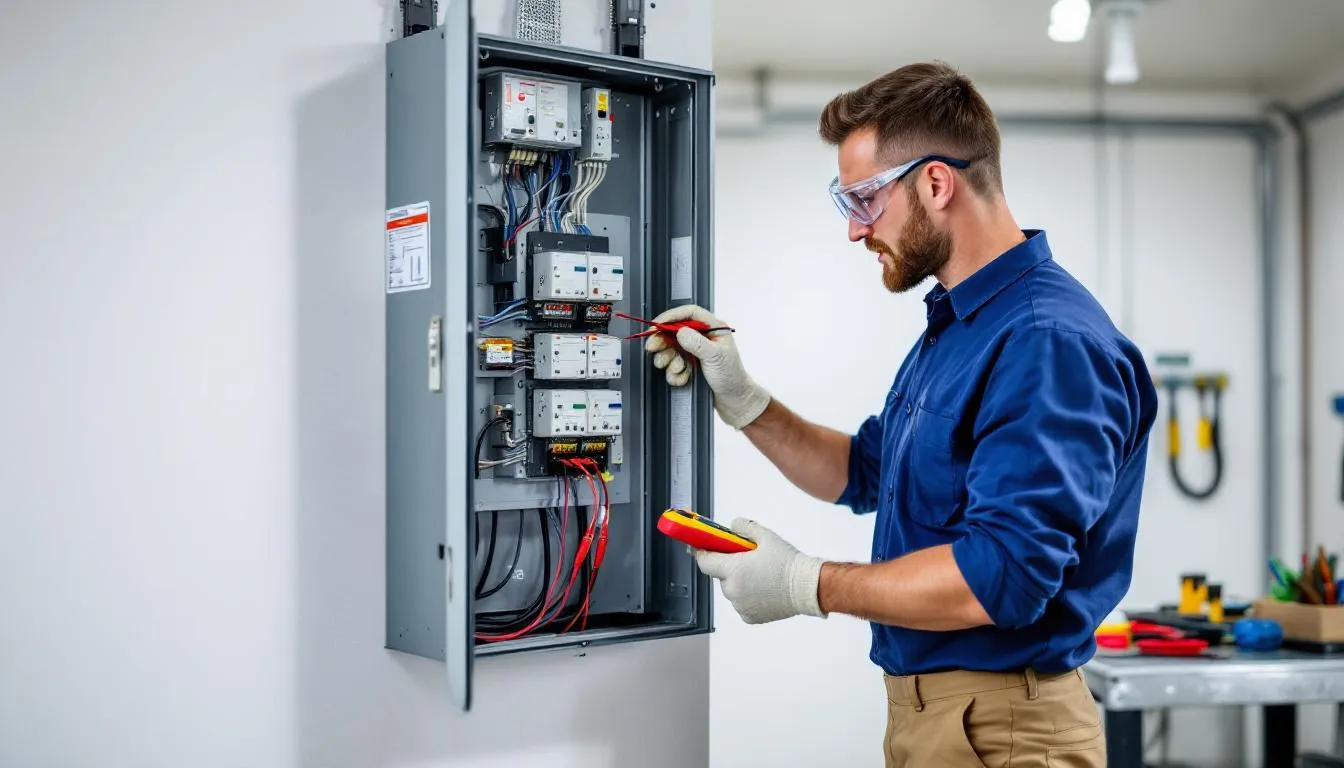
A word on short-term hacks I see during upgrades: never tap the line side of the main breaker to feed a brand-new gadget. That is service devices area with strict rules and high fault energy. Use listed meter adapters, service-rated transfer equipment, or upgrade the equipment properly. Line-side taps without service-rated equipment develop liability that nobody wants.
Arc energy, fault current, and why torque matters
Even in a residence, available fault current can be numerous thousand amps at the service. A screwdriver slip in a live panel can end badly. Beyond personal security, the unnoticeable enemy is heat from loose terminations. A lug that is under-torqued might bring current for years before the resistance and heat develop. The result is insulation damage and a deformed bus. Over-torque crushes strands or cracks the lug. Both lead to the same place.
I bring a calibrated torque screwdriver to panel work and use it. Makers publish torque tables for terminations, and modern equipment frequently consists of a sticker label inside the door with the values. On larger lugs, anti-oxidation substance on aluminum conductors and brushing the strands before setup aid preserve a low-resistance connection. If a panel has a history of heating, infrared thermography throughout a crammed condition can reveal locations before they end up being failures.
Labeling that really helps
Good labeling is not an afterthought. It is a safety measure that conserves time and money. When circuits are clearly identified, a homeowner can turn off the ideal breaker during a leakage or an emergency. A technician can separate a circuit without guessing. Prevent cryptic labels like "general" or "left side of cooking area." Use room names, device names, or circuit functions. If you include a subpanel, cross-reference it: identify the feeder breaker in the main, and inside the subpanel, keep in mind the source and ampacity.
When a panel has actually been customized over many years, labeling frequently drags. I develop a quick circuit map using a plug-in tracer for receptacles and a helper for lighting loads. It is not attractive, but it brings order to turmoil and avoids errors later.
Special cases: solar, batteries, and load control
Distributed energy resources alter how we think of the electrical panel. A grid-tied solar inverter generally backfeeds a breaker in the primary or a subpanel. Code limits the amount of breakers on a bus based on the bus rating and the location of the backfeed, typically called the 120 percent rule. For example, a 200 amp bus might allow a 40 amp solar backfeed if the primary breaker is 175 amps and the backfeed is at the opposite end from the primary. Alternatives consist of line-side taps utilizing listed devices or a dedicated generation panel.
Battery systems introduce their own transfer devices and often require a crucial loads subpanel. During failures, only the circuits because subpanel stay energized from the battery and inverter. Thoughtful choice of those circuits matters. Refrigeration, web, a couple of lights, a well pump if present, and heat for one space supply convenience without overtaxing storage. Resist the desire to pull half the house onto backup unless your storage and solar production can support it.
Load control is growing. Some contemporary panels and breakers consist of present sensing units and the capability to shed or throttle loads based on a setpoint. That method can defer a service upgrade, especially when EV charging and heatpump water heaters are present. It likewise requires more preparation and a property owner who comprehends why their battery charger decreases when the oven and dryer are on. Done right, it is seamless.
Routine maintenance and what a homeowner can securely do
Most panel work belongs to a licensed electrical contractor. Still, structure owners can do a couple of clever, safe jobs with the main breaker off and standard precautions: keep the location around the panel clear, examine that labels are readable, and search for apparent damage like rust, water spots, or indications of rodents. If the panel sits in a moist area, a dehumidifier and much better ventilation help. If you see white powder on aluminum conductors, blackened insulation, or melted plastic, stop and call a pro.
Moisture is a quiet opponent. I have opened panels under meter sockets where the top hub leaked, letting rain track down into the enclosure. The rust was not remarkable initially. A year later, the neutral bar was pitted and breakers revealed surface rust. A qualified electrician can reseal hubs, swap rusted hardware, and if required, change the enclosure before it ends up being a failure.
Common errors that develop real hazards
Patterns repeat. The exact same handful of errors account for a big share of failures and assessment red tags.
- Double-tapped breakers where two conductors share a terminal not ranked for it. Only a few breaker models are listed for two conductors, and they must be the ideal size and product. Shared neutrals on multiwire branch circuits that are not connected to a typical two-pole breaker. Without a common trip, the neutral can bring the amount of the out of balance present and overload. Missing bushings or adapters on knockouts, which let sharp edges cut insulation. Backfed main breakers without a hold-down package, permitting the breaker to loosen up under fault conditions. Overfilled panels. The gutter area and conductor fill limits exist to prevent getting too hot and enable serviceability.
These are not scholastic. I have seen melted insulation where a conductor rubbed versus a knockout burr. I have actually found neutrals for 2 circuits under one screw in a subpanel. It worked until somebody included a GFCI device, then annoyance trips sent them down a bunny hole.
Cost, timeline, and what to get out of a panel project
If you are preparing a panel replacement or a service upgrade, the expense depends upon regional labor rates, allow costs, product choices, and website conditions. Since current tasks, a straightforward 200 amp panel replacement in a normal home might land in the mid 4 figures, more with stucco, masonry, or limited gain access to, less if the meter and service avenue remain in good shape. Include solar readiness, a whole-house surge protector, and new grounding electrodes, and the number climbs. In an industrial setting, gear lead times can drive schedules more than labor.
Plan for coordination with the utility for shutoff and reconnection. Expect an authorization and examination. Good specialists will manage the logistics, acquire the best panel with listed breakers, and propose practical alternatives like a little subpanel if it minimizes disturbance. If you are adding an EV battery charger or heat pump at the exact same time, bundle the work to lessen wall repair work and service interruptions.
When to fix, when to replace, and how to decide
Not every struggling panel requires a complete replacement. If the enclosure is sound, the bus remains in good shape, and the model is existing with readily offered breakers, targeted repair work make good sense. Replace a few suspect breakers, correct labeling, different neutrals and grounds in subpanels, add a surge gadget, and torque all terminations. If water intrusion reveals just minor surface area rust, tidy and treat it, then fix the leak source.
Replace the panel when the bus is damaged, the brand is on your insurance company's blacklist, or the layout can not support necessary AFCI and GFCI gadgets. Change if the panel is overcrowded with non-listed tandems, if the primary breaker is obsolete, or if the grounding electrode system is plainly insufficient and the project scope currently opens walls or trenches. Replacement is also an opportunity to right-size the system, add spaces, and established for future tasks without constant workarounds.
A useful course forward
If you are evaluating your own building, begin with details. Unlock, not the dead front, and read the electrical panel label. Photograph the interior for recommendation. Keep in mind the primary breaker size, the number of spaces, and any apparent concerns like double taps or missing knockouts. If you plan an upgrade, gather nameplate data from big devices and heating and cooling devices, then have a licensed electrician perform a load calculation.
Keep long-lasting objectives in mind. If you expect to include an EV charger, a second heat pump, or a workshop, choose a panel and service size that will support them. If your panel remains in a poor place, think about moving it as part of the project, even if that includes complexity. The right location and working clearance pay off for decades.
Above all, deal with the panel as crucial infrastructure. A tidy, correctly constructed electrical panel disappears into the background. Power is stable, protection devices work as meant, and upgrades slot in without drama. That is the mark of a safe, capable, and certified system, and it begins with respecting the limits and information that the enclosure, the breakers, and the code have been informing all of us along.