Few structure features look more regular than the green EXIT above a doorway or the subtle glow of wall-mounted emergency situation lights. Yet when smoke thickens a corridor or a power interruption drops a center into darkness, those modest fixtures do the most important job in the structure. In Orange County, where a mix of seaside humidity, older mid-century structures, and contemporary high increases fulfill strict California codes, getting emergency lighting and exit signs right is not just a checkbox for assessment. It is life security with measurable, testable standards.
As a licensed electrical contractor working across the county, I have seen every variation of this story. A Newport Beach workplace with beautiful fixtures that stopped working a 90-minute test due to the fact that the maintenance team never ever found the hidden test button. A Santa Ana storage facility where the graveyard shift found the EXIT signs dark throughout a storm due to the fact that the circuit feeding them had been connected to a light switch years previously. A retail remodelling in Orange that sailed through plan review but failed field evaluation on letter height and signs placement. The patterns are foreseeable, and the fixes are straightforward once you know where to look.
What codes really need, and how they use here
Emergency egress lighting and exit signage sit at the crossway of several codes and standards. The California Building Code and California Electrical Code embrace core requirements for the state. NFPA 101 Life Safety Code, while not embraced verbatim in every jurisdiction, notifies finest practices and is frequently referenced by local inspectors and fire marshals. OSHA rules also apply in workplace settings. UL 924 is the product requirement that governs emergency lighting and exit indications, and you will see that mark on certified fixtures.
From a useful standpoint, these are the critical efficiency points most homes in Orange County need to satisfy:
- Duration of operation: Emergency lighting must stay illuminated a minimum of 90 minutes throughout a loss of typical power. That uses to incorporated battery units, remote heads on a battery pack, or lighting fed by a generator through an emergency circuit. Illumination levels: The egress course ought to meet an average of about 1 foot-candle at flooring level with a minimum of around 0.1 foot-candle, and the harmony ratio need to not go beyond roughly 40 to 1. Inspectors do not always meter every corridor, but they will if the layout looks marginal. Exit sign legibility: EXIT letters need to be large, high contrast, and regularly noticeable. The frequently enforced standard is letters at least 6 inches tall with a stroke approximately three-quarters of an inch, mounted at appropriate heights and angles so the sign can be seen along the travel path. Automatic operation: When typical power fails, emergency illumination and exit indications need to energize without manual intervention. This is where unswitched feeds, automatic transfer, and unlabeled lighting changes cause trouble. Testing and documents: Functional testing is needed at installation, regular monthly brief tests are standard practice, and an annual 90-minute test is extensively imposed. Keeping logs is not optional in lots of tenancies, especially for commercial and multi-tenant buildings.
California Title 24 includes energy efficiency restraints that affect how you style and control both typical and emergency loads. Automatic shutoff, occupancy sensors, and daylighting controls can not be allowed to switch off needed emergency egress lighting. That frequently suggests using automated load control passes on or UL 924-listed gadgets that bypass or force on designated components throughout an outage. It is a regular point of confusion for out-of-state designers and a common reason a strategy checker in Anaheim or Irvine sends a submittal back.
Exit signs 101, with local nuances
In Orange County, a lot of exit indications you see fall into 3 classifications. The basic LED exit sign with a battery is common, reliable, and fairly economical. Combination systems pair an LED EXIT legend with mounted light heads, that make sense for smaller suites where you desire a compact egress package. Photoluminescent signs do not need power under regular conditions however need to charge off ambient light and satisfy strict placement standards. Inspectors generally look for UL 924 listing, correct letter color for the jurisdiction, and constant, even illumination.
Color is an intriguing regional peculiarity. California permits either red or green, but numerous towns and building owners choose green for presence and consistency with worldwide standards. Retrofitting a building that has a mix of colors can be sidetracking in an emergency situation. We frequently suggest standardizing color throughout a restoration or occupant enhancement project.
Placement makes or breaks compliance. Indications need to be located so that an occupant moving along the egress course can always see the next sign. Dead ends or passages that bend 90 degrees typically need an additional edge-lit or flag-mounted unit at the corner. Above a door is inadequate if a high component, decorative soffit, or storage rack blocks the view. In older Laguna Hills retail areas with low ceilings and hectic storefronts, flag-mount signs that task from the wall at 90 degrees are an easy fix. We have also transferred EXIT signs simply 6 feet to clear a prominent pillar and solved an unsuccessful inspection immediately.
Emergency lighting design that actually works
There is a temptation to throw lumen output at the problem. Bigger heads, brighter diodes, more wattage. That technique typically causes glare, locations on glossy tile, and dark patches where you need light most. Excellent emergency lighting design is more about instructions, installing height, and beam spread than raw lumens.
We start by strolling the path. From the farthest occupied space to the public way, we keep in mind of flooring surfaces, wall color, and ceiling blockages. High reflectance surfaces can deceive your eye throughout design. A refined concrete corridor needs less goal directly at the flooring and more lateral fill. On the other hand, a carpeted hotel corridor with dark wall coverings, common in some Costa Mesa restorations, absorbs light and benefits from larger beam distribution.
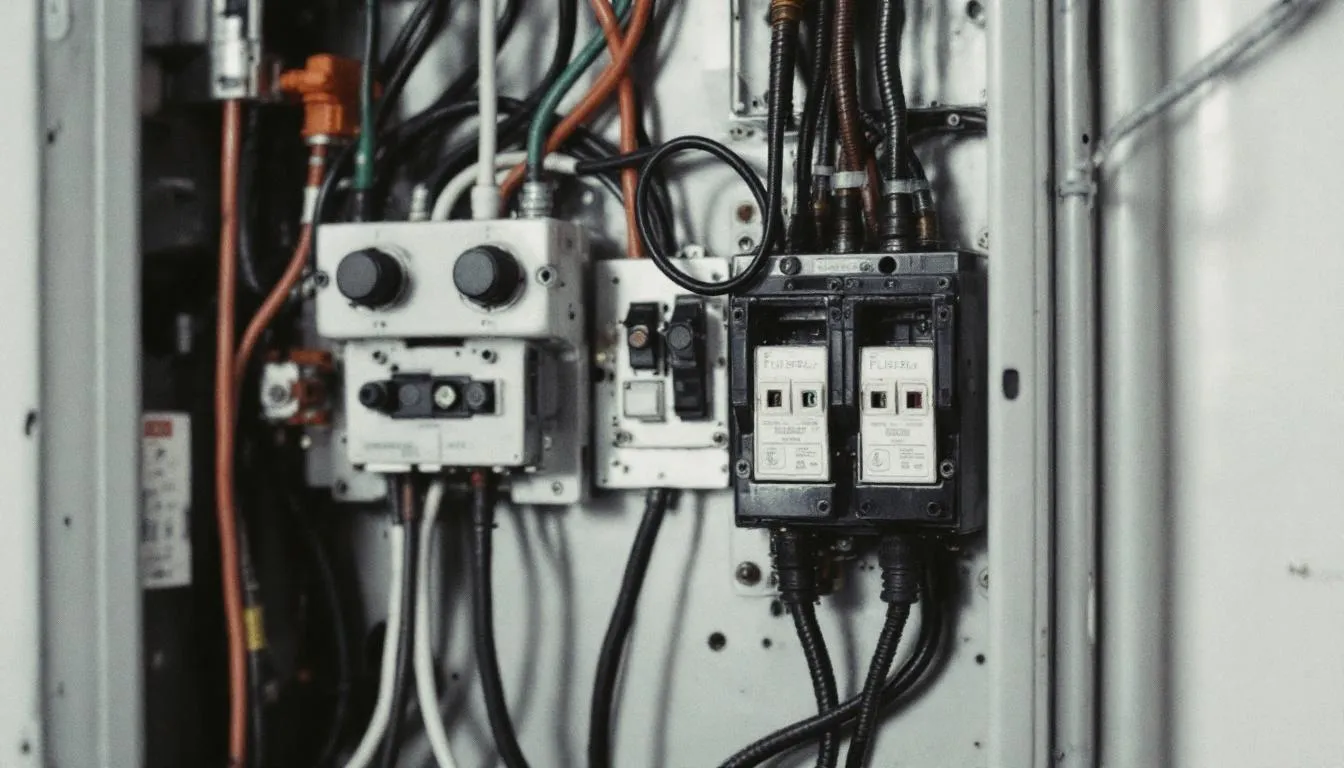
Where you select the source of power https://miloadqe144.cloudhinter.com/posts/electrical-evaluation-orange-county-comprehensive-security-checks also forms the design. Battery combos are uncomplicated, but they distribute small islands of light. A main inverter or generator-fed emergency panel permits you to designate existing ceiling fixtures as emergency situation egress lights. Utilizing a few evenly spaced downlights on an emergency situation circuit can create a smoother, code-compliant light level with fewer visible devices on walls. Title 24 pushes you to be deliberate here, considering that those emergency-fed luminaires require proper controls that force them on when normal power fails.
Battery types, service life, and what we see in the field
Every emergency situation unit with a built-in battery will ultimately need that battery changed. The chemistry matters. Sealed lead acid batteries dominated for many years. They are budget-friendly and foreseeable, but heavy, and they do not love high ambient temperature levels. In a South County mechanical room that presses 90 degrees in summertime, SLA batteries age rapidly and the 90-minute test becomes a 55-minute frustration after a year or two.
Nickel cadmium batteries last longer and tolerate heat much better, but you require to recycle them correctly due to cadmium material. Nickel metal hydride appears in some compact units. Lithium options are ending up being typical in superior exit and combination fixtures. They offer long life, excellent temperature level tolerance, and lighter weight. We have clients in Anaheim commercial buildings whose lithium-based exit signs are still passing 90-minute tests at year 5, with only routine cleaning and periodic battery charger board checks.
Regardless of chemistry, three useful factors determine real-world life span:
- Ambient temperature near the fixture Charge cycling and charger quality Whether month-to-month testing is carried out and documented
An unit that sits for years without even a quick test is more likely to fail when you require it, which is precisely what you do not want during a rolling blackout or wildfire-related grid event.
Integration with generators and inverters
Many office complex and health care centers utilize a generator or a main inverter to back up egress lighting and exit signs. This method minimizes the number of wall-mounted emergency situation systems and can make maintenance easier. The tradeoff is intricacy. Throughout design, you should dedicate emergency circuits, label panels, and supply an automated transfer system that is UL 1008 listed. For inverter systems, UL 924 inverters are function developed for life safety lighting and prevent some of the problem concerns we see with basic UPS gear.
An information that trips up tasks: emergency loads should be on a circuit that stays stimulated when typical lighting control systems shut down. We have actually fixed more than one Irvine Class An office where the emergency downlights were fed from a normal lighting zone managed by a timeclock. The lights looked excellent throughout business hours and vanished after 6 p.m. That is a fail both for code and for typical sense.
Maintenance regimens that pass examination and survive emergencies
Many property teams deal with emergency lighting checks as a once-a-year scramble before the fire department visit. That is risky. Batteries that would have passed if somebody had actually caught corrosion at the terminal six months ago ended up being costly rush orders. A modest regimen, dealt with by a local electrical expert Orange County structure supervisors currently trust for other service, keeps these properties ready.
Here is a short field-tested regimen we utilize for monthly and yearly verification:
- Monthly, tap each test button for 30 seconds. Verify both lights illuminate or that the EXIT stays legible. Record the date and initials on a noticeable log. Annually, disable typical power to the circuit and time a full 90-minute run. Walk the whole egress course twice during the test to find flicker, dimming, or hot fixtures. Clean lenses and real estates with a non-abrasive cleaner. Dust buildup can drop effective light levels more than many people expect. Inspect battery charger boards and battery terminals for swelling, leak, or heat discoloration. Replace suspect elements on the spot. Verify that emergency situation circuits and panels are labeled plainly, and that no "momentary" tie-ins from past projects created a switched feed.
That list sits well within code expectations and satisfies what most Orange County fire inspectors ask to see. Some occupancies, such as assembly or health care, may have extra requirements. If you run a place in Anaheim Resort area or a medical office in Orange, coordinate with your Authority Having Jurisdiction early.
Renovation pitfalls in older Orange County buildings
Adapting older residential or commercial properties is where trade judgment matters most. Post-war strip centers in Garden Grove often have shallow canopies and odd soffits that conceal indications from oblique angles. Mid-century offices in Tustin may have narrow passages with door swings that block egress components. Unreinforced masonry retrofits in Orange can minimize ceiling heights and force imaginative mounting strategies.
Two field examples highlight the traps:
A Huntington Beach surf retail store switched mounted lights for high-bay LEDs during a refresh. The specialist got rid of three battery combinations installed along the back passage, assuming the brighter general lighting made them unnecessary. Throughout the next failure, the corridor dropped to near dark. The fix involved transforming 2 ceiling components to emergency circuits using a UL 924 emergency transfer device and re-installing one compact combo unit at the turn. The store now meets the 90-minute guideline, the corridor looks tidy, and the manager keeps a tidy test log.
A Lake Forest office park converted to photoluminescent exit signs to decrease maintenance. The indications met the listing requirements, but two were set up in alcoves with low ambient light. After hours, the charge was inadequate and the glow was weak. We determined light levels, transferred one indication, and included a little, energy-efficient luminare aimed to keep the charging requirement. Problem resolved without abandoning the photoluminescent strategy.
Choosing in between devices options
Decision making need to mix code compliance, energy goals, looks, and maintenance capability. For a small suite in Objective Viejo with a single exit path, LED combo units are useful and expense reliable. For a larger flooring plate in Irvine with contemporary ceilings, using select downlights on an emergency situation inverter keeps the architecture tidy and streamlines battery maintenance to a single cabinet. In hospitality or retail where branding guidelines the day, edge-lit EXIT indications look fine-tuned and can be specified with field-selectable chevrons to direct traffic.
When budget plans are tight, do not cut corners on listing or battery quality. A deal fixture without UL 924 or with a no-name battery pack tends to fail early, need more service calls, and produce assessment headaches. Budget-friendly electrical contractor Orange County does not suggest cheapest parts. It means practical life process expense and fewer emergency calls at 2 a.m.
Documentation that protects you
Fire inspectors in Anaheim, Costa Mesa, and Santa Ana routinely request testing logs. Center supervisors often reveal a binder with three months of entries, then a long gap. Keeping a simple digital log with dates, initials, and any removal keeps in mind saves arguments and fines. For multi-tenant properties, consist of a flooring map that marks each unit's area and identifier. When a same day electrical contractor Orange County group shows up for a service call, that map cuts repairing time in half.
Submittals matter on larger tasks. A package that consists of component cut sheets with UL 924 listing, battery specs, photometric summaries for key corridors, and Title 24 control stories tends to slide through strategy evaluation. We often include a brief one-page narrative describing how emergency situation circuits are segregated, how load control passes on override sensors, and where the inverter or generator user interfaces with the life safety system. That clarity shows the plan checker you have actually prepared for the pain points.
The role of a contractor, and what to expect from a great one
A leading rated electrical expert Orange County customer groups keep calling back will do more than hang fixtures. Expect a site study that traces the genuine egress course, not just the one on the architect's markup. Anticipate an electrical examination readiness walk with the superintendent before the main go to. Anticipate identified panels, as-builts that match truth, and a maintenance guide that matches the personnel's bandwidth.
On domestic jobs, emergency lighting is simpler however still crucial in bigger homes with accessory dwelling systems, long hallways, or dedicated theaters. A residential electrician Orange County homeowner hires for a panel replacement Orange County or an electrical panel upgrade Orange County can suggest discreet night lights or generator-backed circuits that keep stairways and exits safe during blackouts. For homes with caregivers or multi-generational families, brightened path signs with battery backup are a kind upgrade that mixes safety and convenience.
Commercial residential or commercial properties demand deeper coordination. A commercial electrician Orange County must collaborate with the emergency alarm vendor, the low voltage circuitry Orange County team, and the basic contractor to ensure annunciation, emergency lighting, and door hardware act together when power drops. We have actually seen card readers that lock people in a stairwell because emergency power logic was never ever completely checked. A proper integrated test catches that.
Common failure modes, and how we repair them
Field calls for emergency lighting fall under a couple of foreseeable buckets. Dead batteries are the timeless, however the origin is often a failed battery charger board. Units that glow extremely dim normally have one bad light head chauffeur or a poor connection at the terminal. EXIT indications that flicker when the a/c launches recommend a shared neutral with a heavy load or a small circuit.
When we get a call as an emergency electrician Orange County center teams continue speed dial, the first ten minutes are the same. Examine voltage at the system, check the unswitched feed, depress the test button, and if it fails instantly, open the real estate. Swollen battery, wore away terminals, or a scorched board informs the story. In suites where indications have stopped working in clusters, we look upstream. A lighting control upgrade might have put a switch or relay in the incorrect place, or a panel directory from the 1990s concealed the genuine circuit path. Electrical troubleshooting Orange County is frequently half investigator work, half habit.

Integrating with modern-day energy and tech upgrades
Modern structures layer more systems each year. If you are including an EV battery charger setup Orange County, updating a service, or changing lighting with high effectiveness fixtures, bring emergency egress into the discussion early. An electrical car battery charger Orange County professionals install can push a small service near its limitation. That is a great minute to evaluate an electrical panel upgrade Orange County and even a brand-new emergency panel. During entire home rewiring Orange County or occupant improvement work, we like to book devoted emergency situation circuits in the strategy and plainly different smart home wiring Orange County or control layers from life safety circuits.
When a generator installation Orange County project goes forward, sequence the commissioning so that the emergency lighting is evaluated on generator power, not simply a fast flip of the branch breaker. Loads behave in a different way on generator, and it is better to discover that subtlety throughout a planned test than throughout a storm. We have changed transfer switch settings and addressed annoyance trips on inverters just by taking that additional step.
Permitting and evaluation tempo throughout the county
Different jurisdictions within Orange County move at various speeds. Irvine and Anaheim generally have thorough strategy reviews with foreseeable comments. Smaller cities can be much faster however rely more on field discretion by the inspector. Regardless of city, a strong authorization set that isolates emergency situation circuits and shows UL 924 gadgets in control schematics develops confidence. Field inspectors appreciate clear labels at panels, a laminated one-line at the emergency panel, and a tech on website who can demonstrate the 90-minute capability.
Do not ignore ceiling gain access to. In numerous retail and restaurant areas along the 17th Street passage in Costa Mesa, tight plenum spaces make last-minute circuitry corrections difficult. If we prepare for a correction, we frequently pre-stage scissor lifts and have gain access to tiles ready, which speeds re-inspection and keeps the schedule intact.
Cost, worth, and how to budget without surprises
Building owners request ballpark numbers. For a little suite, bringing 6 to 8 combo systems into compliance, replacing aged batteries, and verifying circuitry may fall in the low thousands. A mid-size flooring that shifts to an inverter with selected emergency situation luminaires can land in the mid to high tens of thousands, depending upon panel work and controls. Retrofits inside historical residential or commercial properties or running medical spaces are more. Labor rates vary, but utilizing a regional electrical contractor Orange County store that understands the inspectors conserves rework. Budget-friendly does not imply corner cutting. It means the very best path to a tidy signoff with very little future callouts.
Ongoing maintenance is budgetable. Batteries typically last 3 to 5 years, chemistry and temperature level reliant. Allocate a modest line item each year for replacements, cleansing, and testing. The cost of a single unsuccessful examination or a night shift injury in a dark passage overshadows that routine spend.
When to call for exact same day or after-hours help
If an inspector tags numerous fixtures, if you experience a full-building outage and find exit signs are dark, or if an egress path is unusable after a small incident, call a 24 hr electrical contractor Orange County right now. We stage typical batteries, battery charger boards, LED heads, and UL 924 control gadgets on our trucks for precisely that reason. After-hours work is frequently the only method to fix egress lighting in hectic retail or medical areas without interrupting operations. A best electrical expert Orange County team will leave a clear list of what was repaired and what requires follow up so you can close the loop.
Where emergency situation lighting intersects with daily improvements
Safety upgrades can ride together with other projects. During lighting installation Orange County jobs, select downlights or wall sconces offered with emergency chauffeurs. When you do recessed lighting Orange County in a passage, mark every third or fourth fixture as emergency situation and feed it accordingly. If you are managing outlet installation Orange County or ceiling fan installation Orange County in a hospitality space, utilize that access to clean up exit sign electrical wiring and confirm unswitched feeds. During outdoor lighting Orange County upgrades, assess photometrics near exits that lead to the public method. Outside paths need enough light to keep the egress continuous and safe even after you step outside.
For businesses with considerable low voltage electrical wiring Orange County needs, coordinate exit sign placement with information cabling and Wi-Fi access points. Frequently, a new AP lands right where a flag-mounted EXIT would have the best exposure. A fast coordination conference during design avoids a fight in the field.
The bottom line for owners and managers
Emergency lighting and exit indications are not glamorous. They are true life safety systems with measurable requirements, detailed codes, and easy maintenance needs that settle when it matters. In Orange County, in between strict energy codes and varied building stock, the very best results originate from grounded design, clean setup, and steady maintenance. Deal with a licensed electrician Orange County teams respect, insist on UL 924 listed equipment, different your emergency situation circuits cleanly, and keep an easy log that you in fact use.
If you are looking for an electrician near me Orange County for a renovation, a quick correction, or a detailed upgrade, look for an Orange County electrical contractor comfy with both Title 24 controls and life security requirements. Ask how they deal with screening, documents, and coordination with inspectors. A top rated electrical contractor Orange County will have clear responses and recent examples.
The little green or red word EXIT is the last thing a panicked consumer or tired nurse wishes to think about. It must simply be there, brilliant and constant, with a lit course underfoot. Done right, it always is.